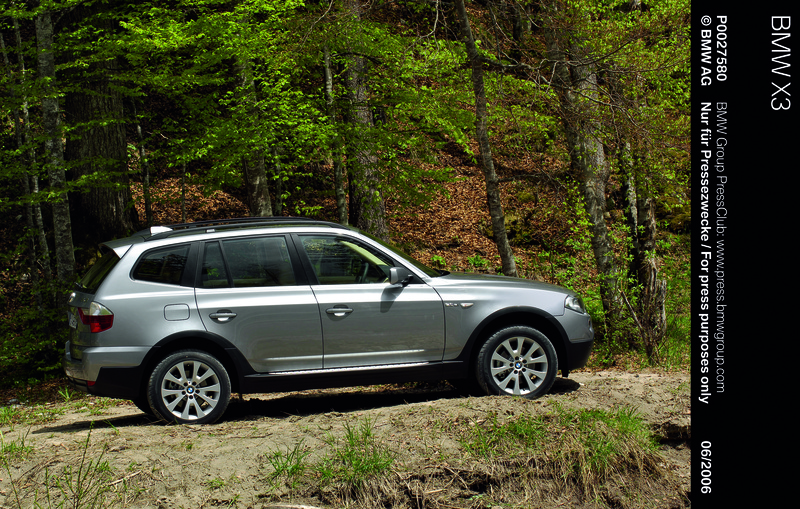
The new BMW X3
Fresh wind for the high flier: The new BMW X3. • New six-cylinder
petrol engine generation with 160 and 200 kW. • All-aluminium
six-cylinder diesel engines with piezo injectors. • Six-cylinder
diesel engine with VTT and 210 kW/286 HP. • Six-speed automatic
transmission with new switching dynamics. • Refined: Integrated
chassis management. • Driving dynamic control DSC with additional
functions. • Exterior design expresses agility and quality. •
Functional and modern: High-quality ambience in the interior. Whether
on country lanes, in city traffic or on gravel tracks - wherever it
goes, the new BMW X3 is driving along the road to success. With powerful
new engines, a fresh design and high-quality interior features, the
Sports Activity Vehicle (SAV) from BMW - especially well known for its
marked agility and driving dynamics - is continuing its trail of
success. The new BMW X3 has all the features to further improve its
exceptional position as the only premium offer in the segment.
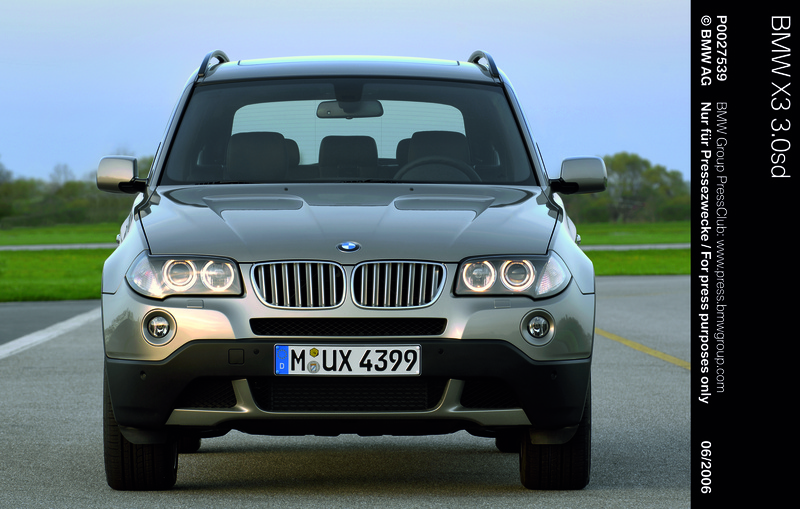
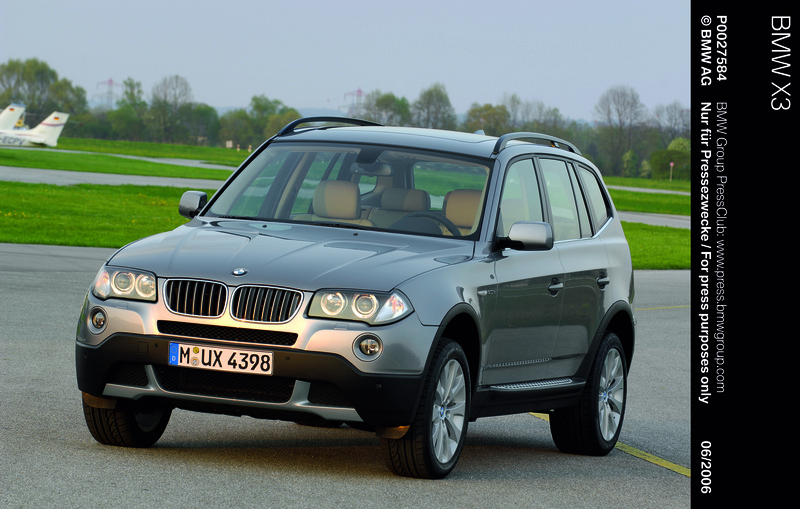
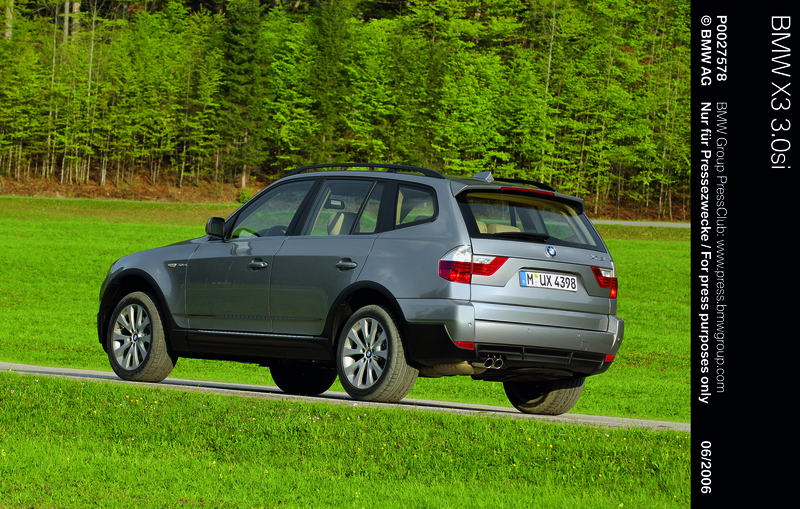
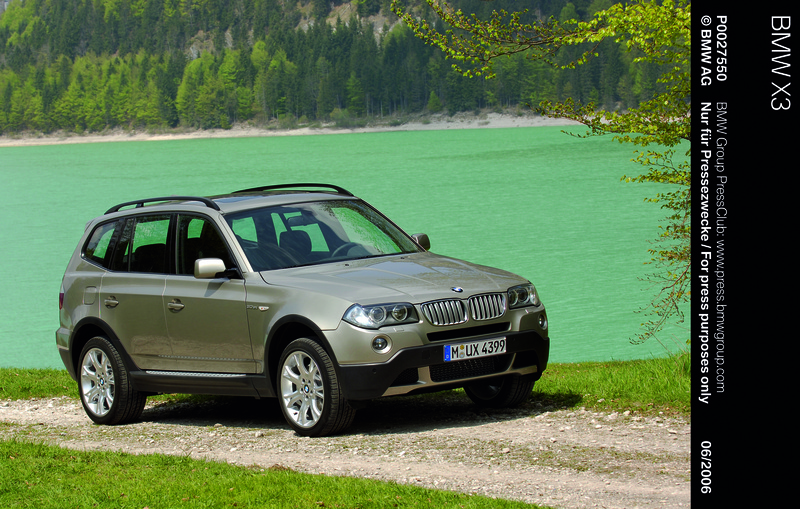
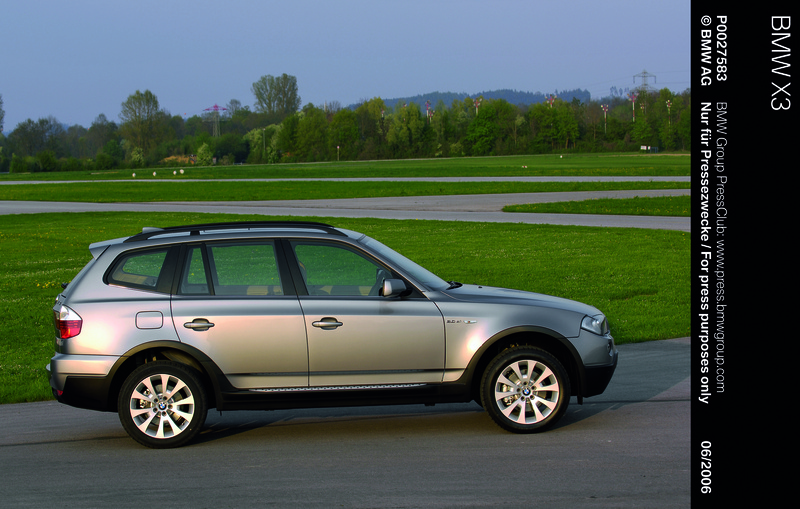
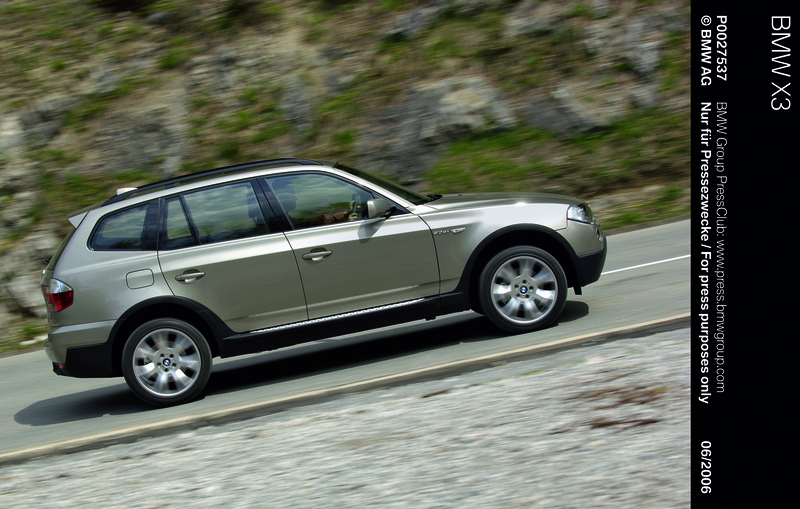
Selective modifications in the front, rear and side areas give the
vehicle a dynamic character; exceptionally high quality materials,
flowing lines and stylish colour schemes dominate the interior. And the
design of the new BMW X3 corresponds perfectly with the enhanced
potency of its drive units. The sportiest diesel worldwide is available
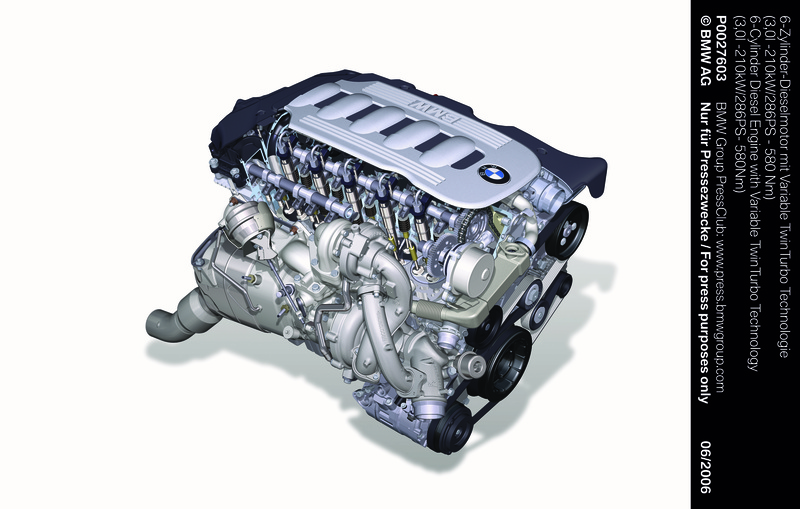
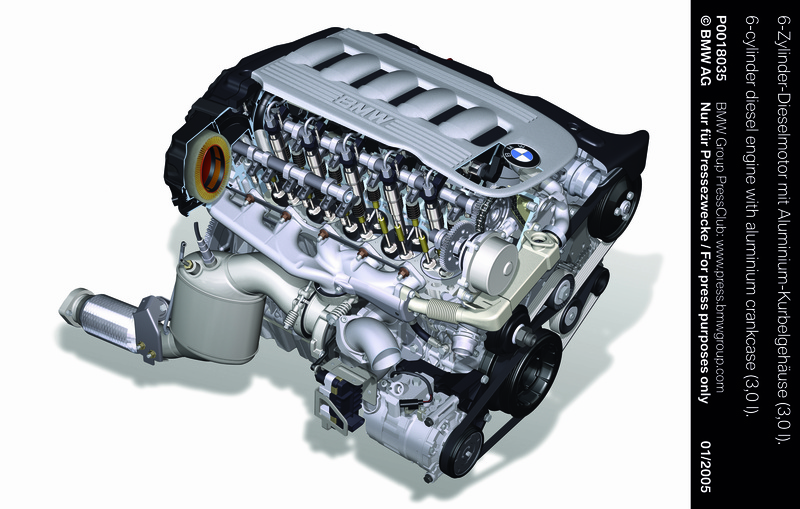
as the top-of-the-range engine for the new BMW X3. The newly developed
3.0-litre in-line six-cylinder unit of the BMW X3 3.0sd with its
Variable Twin Turbo (VTT) technology realises 210 kW/286 HP and reaches
a maximum torque of 580 Newton metres. The new generation of in-line
six-cylinder petrol engines with 3.0-litre and 2.5-litre capacity is
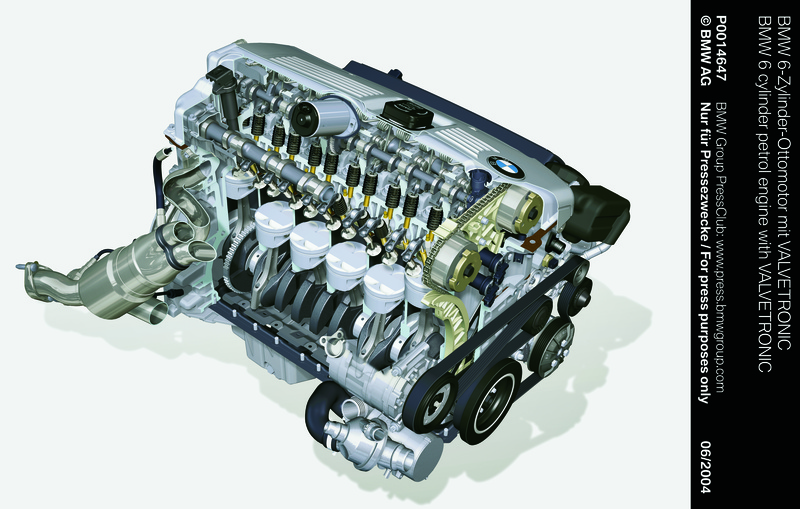
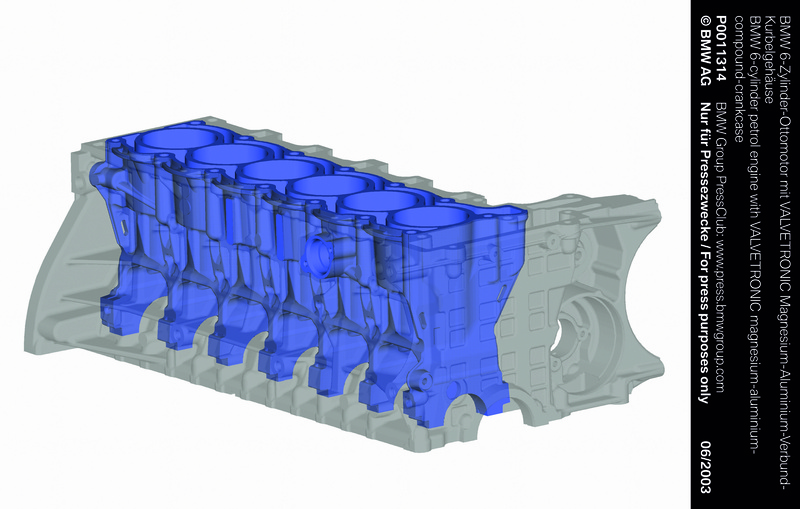
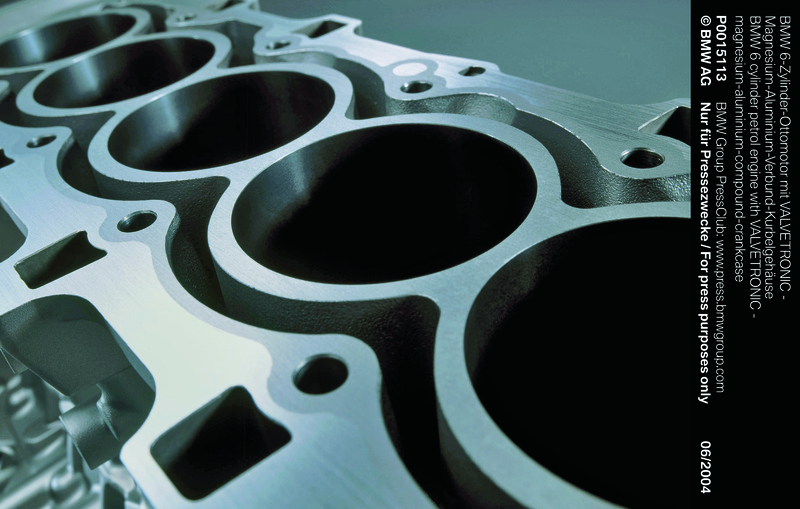
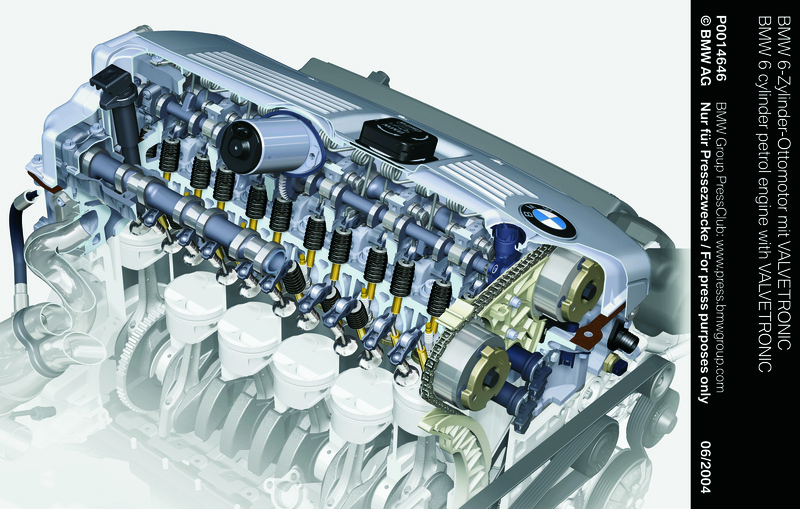
also deployed in the new BMW X3. The VALVETRONIC and Bi-VANOS drive
units fitted with a magnesium-aluminium composite crankcase achieve 200
kW/272 HP or 160 kW/218 HP, respectively. The Integrated Chassis
Management (ICM) with optimised computer structure ensures an even more
effective and rapid interaction of the intelligent xDrive all-wheel
drive from BMW with the driving dynamic control DSC (Dynamic Stability
Control) and the engine control system in all variants of the engine.
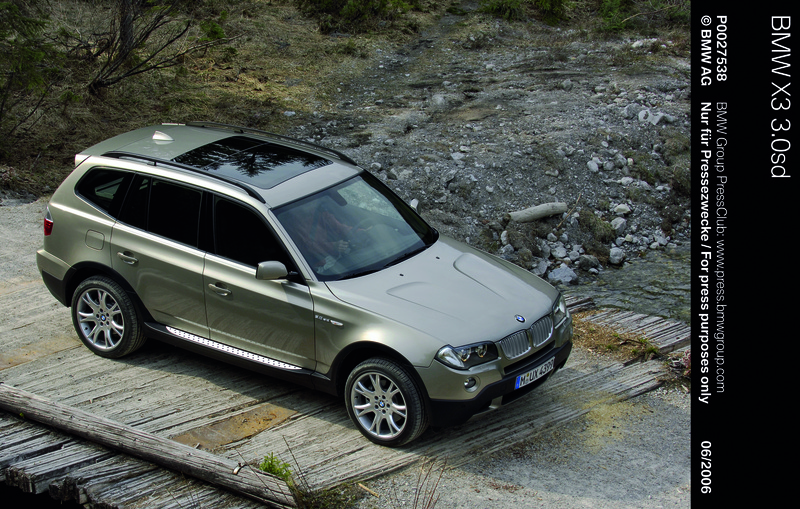
The new BMW X3 is the uncompromising further development of a vehicle
concept that has caused a sensation on the international automobile
markets. As an exceptionally agile sports activity vehicle, it combines
dynamic handling characteristics on the road with the advantages in
traction guaranteed by the intelligent xDrive all-wheel drive from BMW,
even during detours on rugged terrain. The new BMW X3 is still the only
premium vehicle of its class - more than ever created for active and
demanding car motorists who appreciate superior drive technology,
versatility, driving dynamics and highest quality workmanship. The new
BMW X3 offers you all the potential to express sporty élan,
spontaneity and independence at the highest level. A design with strong
character underlines the dynamics. Sensitive, yet striking describes
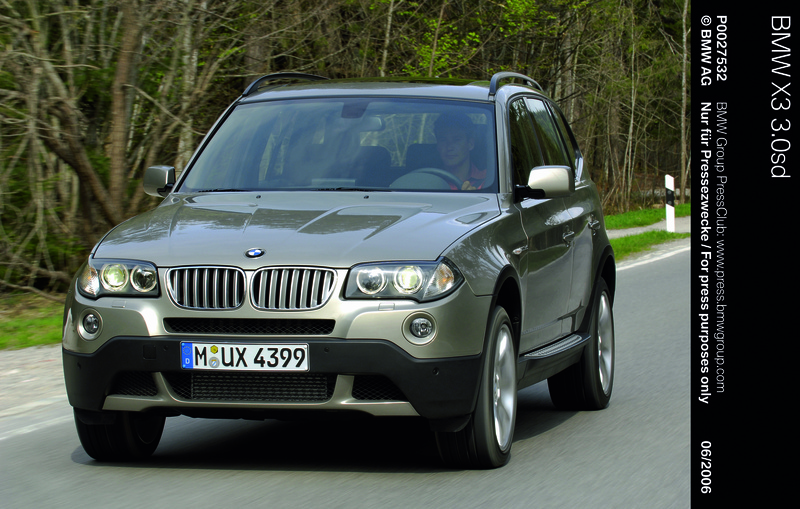
the changes to the front and rear areas of the BMW X3. At both the
front and the back, the bumper units split into two levels are clearly
visible and predominantly painted in the body colour. This also
underlines the high quality and sporty but elegant appearance of the new
BMW X3. Only the intentionally exposed protective elements are made of
robust black plastic. A striking feature of all BMW X models is the
so-called "six-eyed look". New double circular headlights
with light sources and reflectors behind clear glass lend its character
to the new BMW X3. The fog lights arranged in a line that sweeps
diagonally to the outside from the headlights to the wheels adds to
this. Its geometry reinforces the impression of a powerful vehicle
crouching on the road, in the same way as the painted front apron below
the outer bumper. The BMW kidney grille stands out because its
increased size and the very distinctive visual effect of grille fins
dyed in different colours (according to the model and variant). Kidney
grille fins in a Light Titanium colour identify the BMW X3 3.0sd; the
grille fins of the other six-cylinder variants are in a Graphite
Metallic colour. The four-cylinder variants have black kidney grille
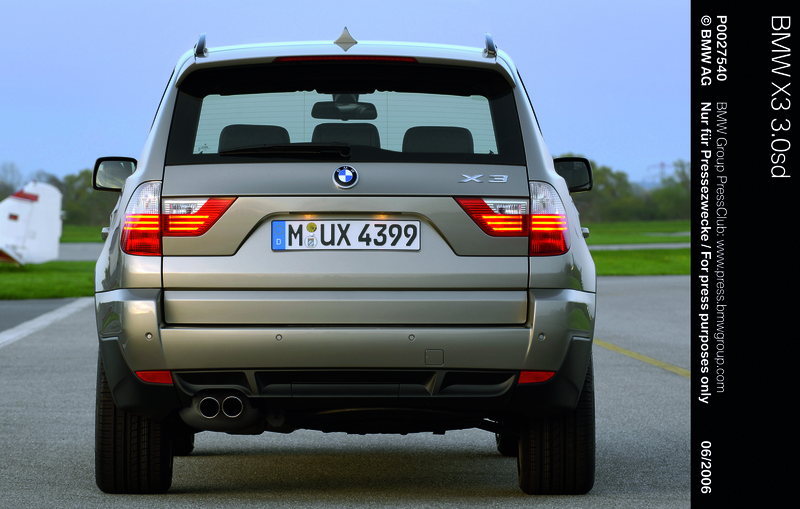
fins. The optional headlight cleaning system has been smoothly
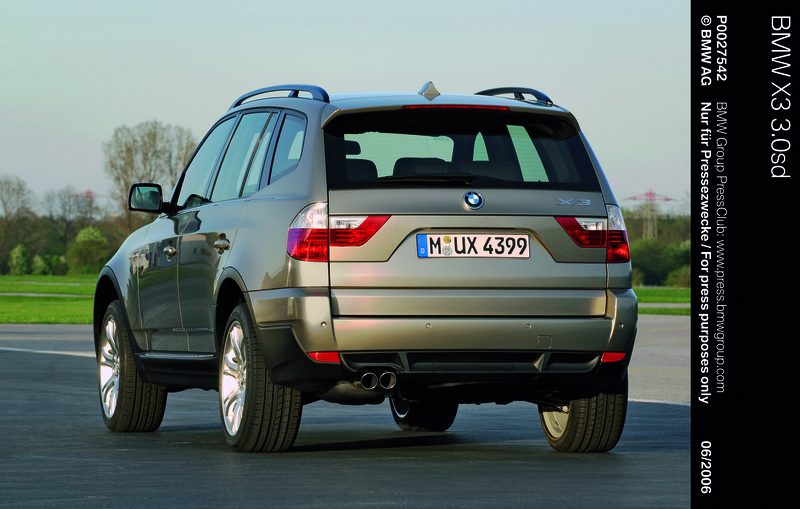
integrated in the front section and only extends when required. New
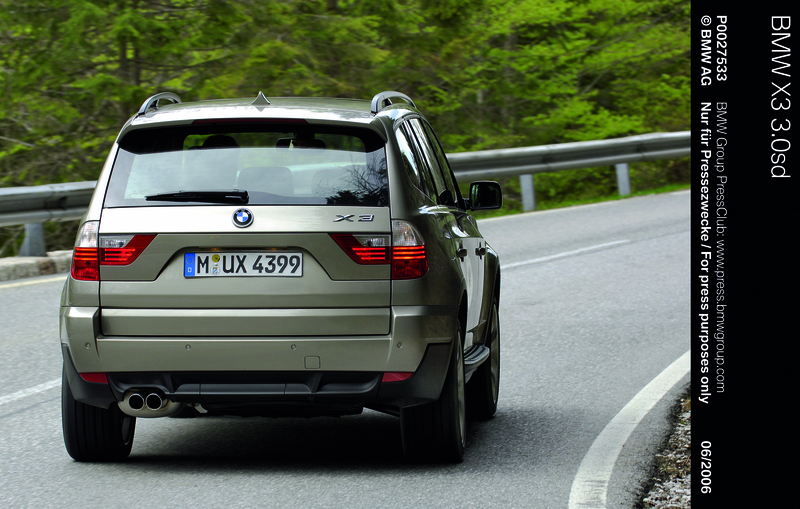
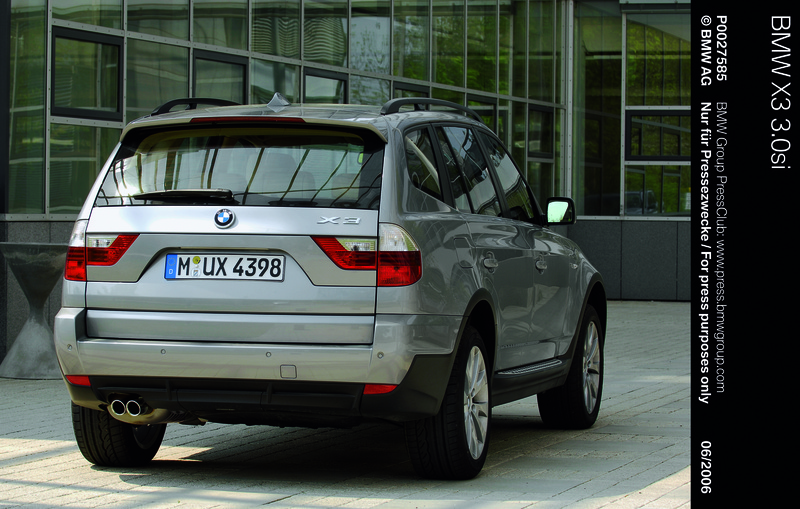
rear light assemblies with clear glass covers over horizontal rods of
light fed by LEDs ensure a striking night design, but also serve as an
eye-catching feature of the new BMW X3 in daylight. Just as
characteristic is the dominance of horizontal lines that continue from
the tailgate right down to the bumper, thereby underscoring the
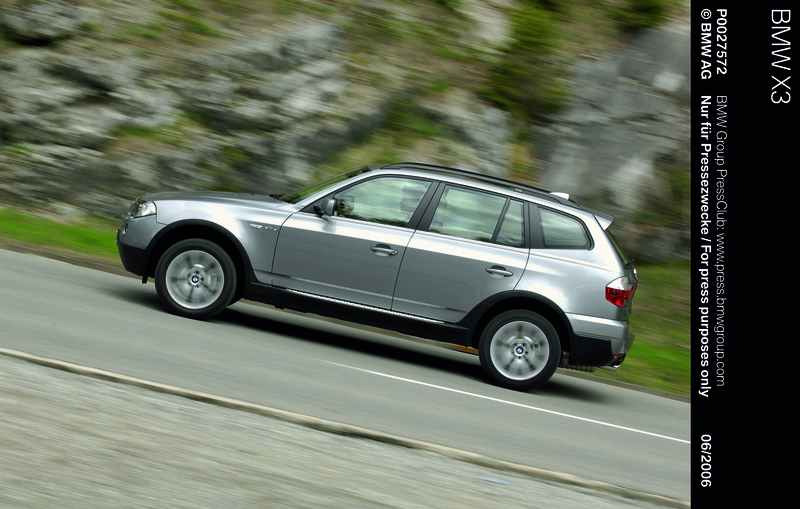
powerful appearance of the new BMW X3 from this perspective.From the
side view, the striking lower line emphasises the discreet wedge-shape.
Its contour is picked up in the lower side area of both the front and
the rear aprons, reinforcing the impression of a dynamically extended
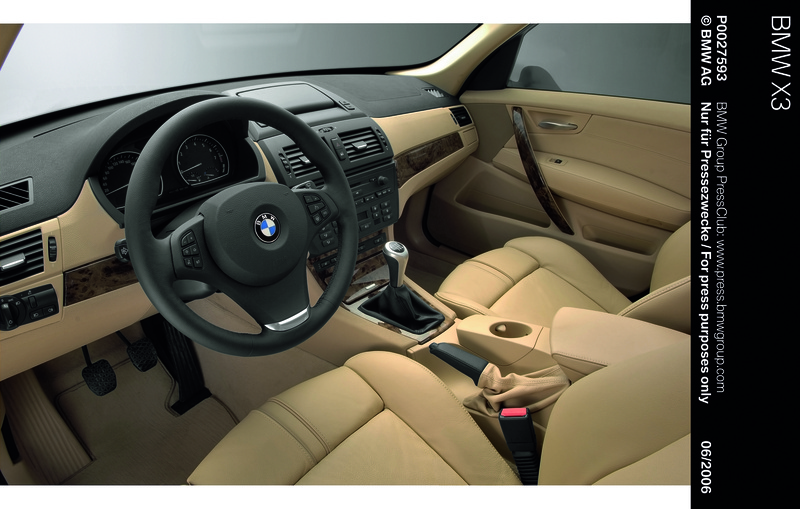
lateral line. High-grade materials and cultivated design in the
interior. With a gentle arrangement of shapes and transitions between
the individual parts of the interior, the harmonious flow of lines is
also continued in the passenger compartment of the new BMW X3. Solid
functionality is combined with cultivated design. In every detail, the
demand for high quality invested in the selection and workmanship of
all materials cannot only be seen, but also felt. The instrument panel
is characterised by a new décor strip that matches in colour and
material with the decorative surfaces of the centre console. Galvanised
metals on the door handles and regulators of the air temperature
control system, exclusive leather and textile variants, a high-quality
colour scheme and designs for the roof lining as well as plastic
surfaces with a high-class texture very clearly reflect the character
of the robust, yet elegant interior. Also the new three-spoke steering
wheels and the spacious storage areas integrated in the door trims
further the impression of high quality, both optically as well as
haptically. This respectability at an especially high level accords
with the style of a modern generation of motorists who use their
vehicle for a great variety of purposes, but always want to enjoy a
cultivated ambience at the same time. Four variants of equipment, ten
exterior colours, six trim colours and five décor surface
variants present a multitude of possibilities for the customisation of
the new BMW X3. As an alternative to the basic equipment for the new
BMW X3, sports or luxury seats are also optionally available. The
material selected in the equipment specifications for the seat
upholstery is also used in the centre console, the armrests and the
door trims. The trim colours Black, Grey or Sand Beige create a more
tranquil atmosphere, whereas the Terracotta, Anthracite or Tobacco
tones awaken a more strongly accentuated general mood. The choice of
decorative surfaces can also express personal style - from a
classically elegant wood finish to the markedly sporty note of the
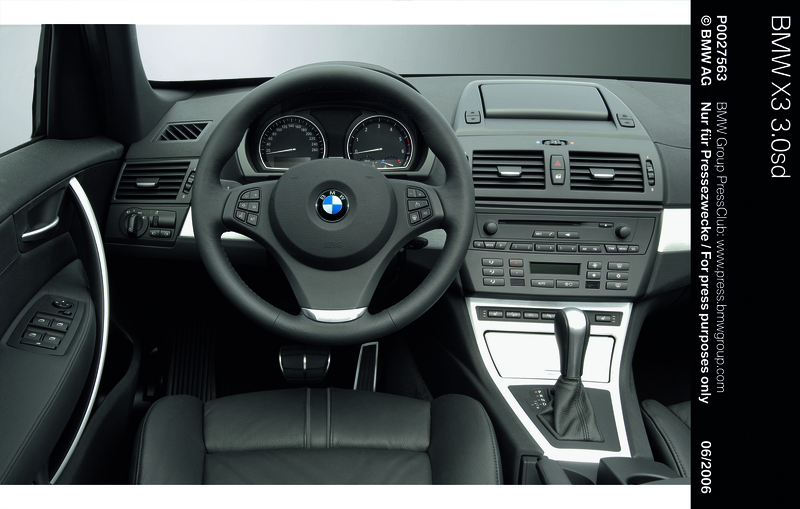
aluminium look. The new BMW X3 3.0sd, above all, provides an
exceptionally exclusive driver environment. Foot pedals with stainless
steel applications are included in the standard specification. In all
six-cylinder variants, the roadspeed display goes up to the value of
260 km/h, and the chronometer scaling in the cockpit of the BMW X3
3.0sd goes up to a value extended by a further 10 km/h. From outside,
the BMW X3 3.0sd stands out with its attractive 18-inch wheels, a
markedly sporty rear apron and the larger tailpipes of its exhaust
system among other features. Première: A diesel as
top-of-the-range engine. Three petrol engines and three diesel engines
are available for the new BMW X3. Greater performance, higher torque,
reduced weight and improved efficiency distinguish the new six-cylinder
unit. Its power output characteristic contributes decisively to the
agile driving impression of the SAV model. Above all with its
six-cylinder engines, the new BMW X3 is again setting the standard in
its segment for power output development, efficiency and running
performance. It also represents a genuine novelty in the driving
segment. For the first time in a BMW model, a diesel engine is at the
top of a range of engines classified according to performance. The
completely new 3.0 litre in-line six-cylinder diesel with Variable Twin
Turbo (VTT) technology is celebrating its première in the BMW X3
3.0sd. High tech of the very best kind is also offered by the second
six-cylinder diesel engine in the BMW X3 3.0d. In addition, the new
generation of the in-line six-cylinder petrol engines with
magnesium-aluminium composite crankcase and VALVETRONIC is now also
making its arrival in the BMW X3. A newcomer in both the petrol and the
diesel range is a four-cylinder engine. The new BMW X3 3.0sd is powered
by the sportiest six-cylinder diesel engine that has ever been offered
for a standard vehicle. The new powerful 210 kW/286 HP unit is equipped
with the Variable Twin Turbo (VTT) technology that, as the first
manufacturer worldwide, BMW has introduced in the BMW 535d. In this
technology (also described as graduated charging), firstly a small turbo
charger displays its effect in the lower speed range; then an additional
larger turbo charger is employed as the power requirement increases.
That's why the boost in performance comes into action even at just
above the idling speed. The maximum torque of 580 Nm is generated in
the range between 1,750 and 2,250 min-1. The maximum performance is
reached at an unusually high engine speed of 4,400 min-1 for diesel
engines, whereas the speed limit of the engine is not reached until
5,070 min-1. The unrivalled breadth of the usable speed range leads to
a sustained strong power output development that is also reflected in
the road performances of the new BMW X3 3.0sd. 6.6 seconds are enough
for the vehicle to accelerate from zero to 100 km/h with a top speed of
240 km/h. Yet the impressive dynamics are combined with maximum
economy. The average fuel consumption determined in the extra urban
(EU) test cycle is 8.7 litres of diesel per 100 kilometres. Effective
exhaust cleaning is provided by a particle filter of the latest
generation, which is integrated with the oxidation catalytic converter
in a shared housing near the engine. Like all other vehicle models, the
BMW X3 3.0sd also complies with the emission guidelines of the EU-4
norm. Among other things, the exemplary efficiency of the top diesel is
thanks to its weight reduction of 25 kilogrammes and the latest
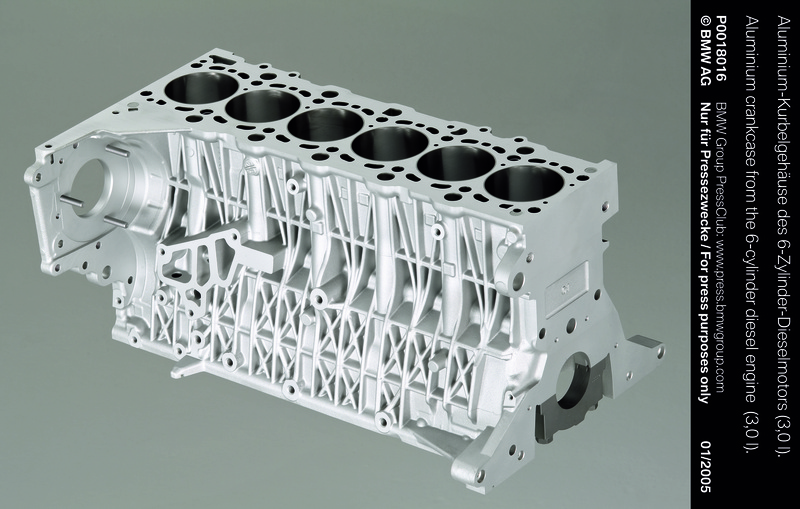
generation of common rail direct injection with piezo injectors. These
two factors also apply to the second 3.0-litre in-line six-cylinder
diesel engine offered as part of the range for the new BMW X3. Instead
of the conventional cast iron elements of the competition, the drive
unit of the BMW X3 3.0d is also equipped with an all-aluminium
crankcase as well as with piezo injectors in the fuel injection system.
The injection pressure increased to 1,600 bar as a result produces an
especially rapid filling of the combustion chamber. The piezo element
of the injector reacts without delay on the electrical pulse in order
to activate the injection procedure. At the same time, the opening
angle of the nozzle needle is precisely controlled and the maximum
volume is also reached within the shortest time. Accordingly, in
combination with a turbo charger with Variable Turbine Geometry (VTG), a
top performance of 160 kW/218 HP is achieved. This means that
consummate traction power is also certain for the new BMW X3 3.0d since
its engine already provides the maximum torque of 500 Nm at between
1,750 and 2,750 min-1. It reaches a speed of 100 in 7.4 seconds with a
top speed of 210 km/h. The maximum speed can be increased to 220 km/h
with the optional tyres of speed rating V that can be delivered ex
works. With an average fuel consumption of 7.9 litres diesel per 100
kilometres (EU cycle), the new BMW X3 3.0d can also boast exemplary
values in the field of efficiency. It is also equipped with a particle
filter located next to the engine as standard. The new BMW X3 2.0d
shows itself to be even more economical. Its four-cylinder engine with
common rail injection delivers a power output of 110 kW/150 HP and a
maximum torque of 330 Nm, already at between values of approximately
2,000 and 2,500min-1. This ensures powerful acceleration, enabling it
to reach 100 km/h in 10.2 seconds. The top speed of the BMW X3 2.0d is
198 km/h with an average fuel consumption of only 7.2 litres per 100
kilometres. A particle filter is also included in the standard equipment
range of the four-cylinder diesel engine. Petrol engines: More
performance, less weight. The particularly lightweight, stable and
efficient in-line six-cylinder engine in the new BMW X3 is offered in
two capacities and two performance levels at the same time. The new BMW
X3 3.0si incorporates the most powerful model of the 3.0-litre
six-cylinder engine so far, with a reputation for particularly smooth
running and reliability that now has more than 200 kW/272 HP and a
maximum torque of 315 Nm. The 2.5-litre six-cylinder engine of the new
BMW X3 2.5si generates a power output of 160 kW/218 HP and a maximum
torque of 250 Nm. Both engines are equipped with a magnesium-aluminium
composite crankcase, the variable valve-control VALVETRONIC and a
coolant pump with demand-based control. With a weight of only 165
kilogrammes, they also contribute to the well-balanced axle-load
distribution and, consequently, also to the outstanding agility and
driving dynamics of the BMW X3. The 3.0-litre engine is considered
above all to be a classic example of efficient dynamics in the sector
of petrol drive systems. The BMW X3 3.0si accelerates from zero to 100
km/h in only 7.2 seconds and reaches a top speed of 210 km/h or 232
km/h respectively with the optional tyres of speed rating V available
ex works. With an average fuel consumption in the EU cycle of 10.1
litres per 100 kilometres, it offers exemplary economy for this
performance class. The corresponding values for the new BMW X3 2.5si
are hardly less impressive. It reaches the 100 km mark in 8.5 seconds
and has a top speed of 210 km/h. Tyres of speed rating V that enable
the maximum speed to be increased to 221 km/h are also available as an
option for the BMW X3 2.5si. The average fuel consumption is 9.9 litres
per 100 kilometres (EU cycle). A four-cylinder unit is also available
for the new BMW X3 as an entry-level model in the range of petrol
engines. The 2.0-litre engine of the new BMW X3 2.0i is the only
four-cylinder offered worldwide that has the VALVETRONIC variable
valve-control. It is equipped with the Bi-VANOS variable camshaft
control unit as well as the DISA switchable intake system. This means it
moves at an extremely high level for four-cylinder drives with regard
to power output development, smoothness of running and efficiency.
Besides, the new BMW X3 2.0i is also convincing both in its agility as
well as its economy. It accelerates to 100 km/h in 11.5 seconds and
reaches a top speed of 198 km/h. Its average fuel consumption (EU
cycle) is just 9.3 litres per 100 kilometres. New automatic gearbox
offers dynamics, efficiency and comfort. With the exception of the BMW
X3 3.0sd, all variants of the new SAV model are equipped with a
six-speed manual gearbox as standard. The configuration of the
transmission graduation is closely matched to the performance
characteristics of the respective engine. The optionally available
automatic gearbox with Steptronic function also offers six speed
ranges. The automatic is standard in the new top model of the SAV
series, the BMW X3 3.0sd. There, an automatic transmission specially
developed for combination with powerful drive sources is responsible
for selecting the orrect speed range. The new six-speed automatic
transmission carries out this task with unrivalled speed, precision and
efficiency. That's why it supports the driving dynamics of the BMW X3
3.0sd above all, as well as the comfort. New converter technology and
particularly efficient software enable a reaction and switching time
that's reduced by up to 50 percent compared with conventional automatic
gearboxes. Thanks to the direct finding of the intended gear, even the
skipping of one or more speed ranges when shifting down does not take
up any additional time. With its remarkable shift dynamics and the
exceptional direct engine connection, the new six-speed automatic
transmission assists the sporty, active handling of the new BMW X3
3.0sd in an impressive way. In the same way, it also makes it easier to
achieve not only comfortable, relaxed, but low consumption cruising at
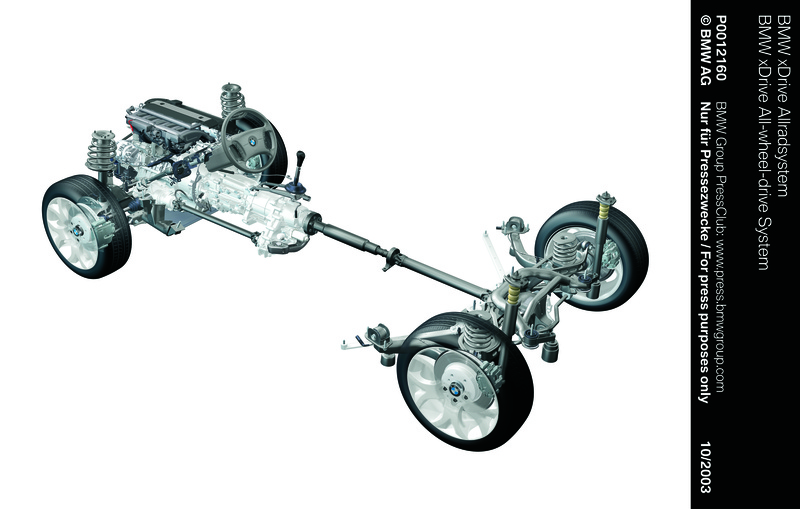
low engine speeds as well. Permanent all-wheel drive of the intelligent
kind: BMW xDrive. Agile and dynamic on the road, completely variable and
with powerful traction on rugged terrain: The variety of opportunities
to enjoy the pleasure of driving embodies the special appeal of the new
BMW X3. It owes its high allround potential to the permanent
intelligent xDrive all-wheel system from BMW that provides completely
variable power distribution between the front and rear axle with
remarkably fast and precise reactions. It always directs the driving
power of the engine to where it can be most effectively used via a
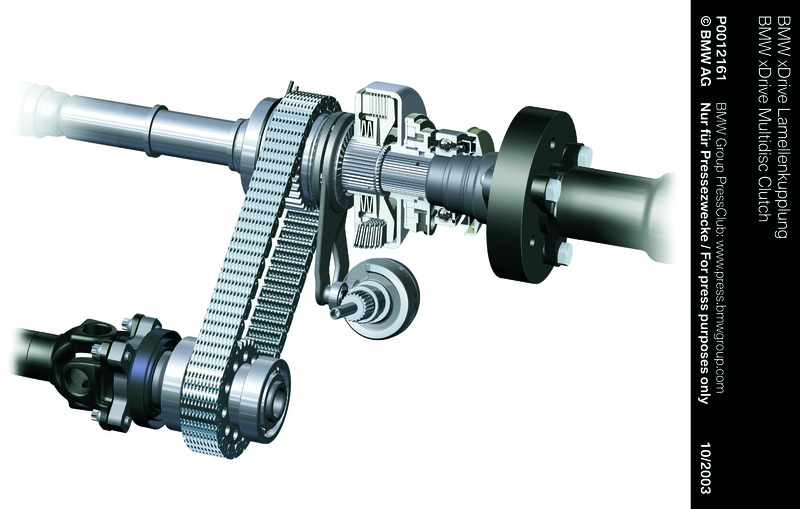
transfer box with electronically controlled multi-plate clutch. Not only
does this lead to maximum traction on difficult ground, it is also good
for the driving dynamics because it promptly counteracts any tendency
to oversteer or understeer when cornering. The differential locking
function is realised via the braking action on the respective spinning
wheel. These capabilities help not only the SAV models to gain superior
handling characteristics, but also all vehicles from BMW equipped with
xDrive. Meanwhile, the high attractiveness of the system has led to BMW
becoming the worldwide most successful supplier of all-wheel vehicles
in the premium segment. Torque distribution of 40:60 in normal driving
situations. The permanent and infinitely variable power distribution to
all four wheels takes place in the BMW xDrive via a rigid main shaft to
the rear axle and a multi-plate clutch that directs the torque to the
front axle via an intermediate shaft. In normal driving situations, the
drive torque is distributed in the ratio of 40 : 60 between the front
and the rear wheels. The xDrive reacts to each change of the driving
surface or the dynamic handling situation with an appropriate
adjustment of the distribution ratio within the shortest time. This can
mean that, if there are extreme variations in the traction between the
front and rear wheels, almost all of the drive torque is briefly
transmitted to one axle. For instance, a tendency to oversteer during
high-speed cornering can also be counteracted just as quickly. The
multi-plate clutch is more strongly closed to direct additional power
to the front wheels and to optimise the driving stability. In this way,
up to 75 percent of the torque can be dynamically transmitted to the
front axle during extreme oversteering vehicle response. This
over-locked condition adjusts itself on its own due to the slip ratios
and, as a result, power transmission ratios to the tyres. Further
developed: Integrated Chassis Management. To guarantee these high-speed
precise reactions, the xDrive all-wheel system, the Dynamic Stability
Control (DSC) and the engine control system are networked with one
another via the integrated Chassis Management. The sensors of the
suspension control also supply the control unit of the xDrive with the
data required for the determination of the current driving situation.
In this way, xDrive can pro-actively ensure a stabilisation of the
vehicle operating conditions to a certain extent. Slip is detected and
prevented, even before the affected wheels start to spin and become
noticeable for the driver or any greater instability occurs. Only if a
change in the power distribution brought about by the xDrive is no
longer sufficient to optimise the driving stability does the DSC
intervene with braking actions on individual wheels and by influencing
the engine control system. The new control structure of the integrated
Chassis Management ensures an even faster and more precise coordination
between the xDrive and DSC. Until now, engine and brake management
influenced the self-steering characteristics of the vehicle almost
independently of the longitudinal torque management, so the three
regulating circuits now operate in parallel. While the longitudinal
torque management controls the distribution of the drive torque between
front and rear axles, the brake management can simultaneously carry out
braking actions on individual wheels for the benefit of traction and
driving dynamics. Besides, the engine management can reduce or increase
the drive torque if necessary. Through the exact networking with the
DSC, the xDrive all-wheel system enables a rapid and precise reaction
to changed driving situations and, therefore, even more driving
dynamics. DSC driving dynamics control system with additional
functions. A driving dynamics control system enhanced by numerous
additional functions is active in the new BMW X3. The new DSC not only
provides for driving stability and traction, it also optimises the
effect of the braking system. It compensates for any drop in the
braking effect at extremely high brake temperatures with a selective
increase in brake pressure. The advance application of the brake pads
increases the readiness to brake in situations where you can expect
spontaneous braking. Regular dry braking optimises the efficiency in
wet conditions and the Dynamic Braking Control (DBC) function
automatically maximises the brake pressure when exceptional braking is
required. In addition, a hill hold function eases moving away on
inclines. The driving dynamics control also continues to include ABS
brake control, wheelslip control (ASC), trailer stabilisation, Hill
Descent Control (HDC) plus Cornering Brake Control (CBC). It prevents
the undesirable tendency of the vehicle to trepan during light braking
when cornering. Also the DTC function in a BMW X model for the first
time. The highly dynamic driving character of the new BMW X3 is
supported with the Dynamic Traction Control (DTC) that is also part of
the new DSC. The DTC mode can be activated with the aid of a button on
the centre console. It raises the response thresholds for the engine
and braking action so that the BMW X3 can start driving on loose snow
with slightly spinning drive wheels, for example. In addition, DTC
encourages an active sporty way of driving by allowing higher lateral
acceleration up to a slight and controllable drift when cornering. At
higher speeds, the intervention control of the DTC more closely
approaches the basic mode of the DSC so that the stability promoting
effect of the driving dynamic control is maintained in critical
situations. As is usual for BMW, depressing the DTC key for a longer
period of time causes the DSC to be completely deactivated if required.
Then only the differential locking function is retained by activation
of the brakes on the respective spinning wheel. The new BMW X3 is
equipped with 17-inch light-alloy wheel as standard and the BMW X3
3.0sd has 18-inch wheels as standard. Optionally, there are also many
other light alloy wheels in 18-inch and 19-inch formats available for
selection. The tyre deflation detection system (RPA), also available as
standard, provides an early indication of any loss of tyre pressure
which is constantly monitored for this purpose using wheel speed
measurements. If there is a deviation of more than 30 percent from the
specified value, a warning signal lights up in the cockpit. For the
avoidance of rear-end collisions, the new BMW X3 is also equipped with
a brake force display. This system, introduced by BMW in standard models
for the first time, helps to raise the attention of road users
approaching from behind. In the case of particularly heavy braking and
if the ABS is activated, the light-emitting surface of the brake lights
at the rear of the BMW X3 increases. This signal also encourages the
person behind to brake his vehicle as quickly as possible. Spacious
and safe: The body of the new BMW X3. A maximum level of passive safety
is guaranteed by the new BMW X3 with its solid bodywork structure and
its comprehensive equipment with containment and restraint systems
whose function is controlled by central control electronics. Highly
stable longitudinal and cross members as well as screwed deforming
elements enable the deliberate deflection and absorption of impact
energy in a head-on collision. The consequences of a side collision are
minimised, among other things, by diagonally running door
reinforcements of highly stable steel sections that connect with the
side frames via hooks during deformation, thus providing additional
deflection of the impact energy. So, even in severe collisions, the
passenger cell remains largely intact. As well as front and side
airbags, the interior also has side curtain head-level airbags as part
of the standard equipment. They open up out of the trim on the pillars
and from the roof lining to protect passengers in both the front and
rear of the vehicle from injury. The BMW X3 is equipped with
three-point automatic seat belts on all five seats. The restraint
systems have seat belt force limiters and the front seats have a seat
belt-tensioner function as well. The new BMW X3 is 4,569 millimetres
long, 1,853 millimetres wide and 1,674 millimetres high. With these
values, the five-door vehicle achieves ideal dimensions from a number
of aspects. As the more compact member of the SAV model family from
BMW, the greatest agility and ease of handling make it exciting.
Nevertheless, its spacious and flexibly usable interior provides the
best features for a wide variety of possible uses. The luggage
compartment cover conceals a loading space volume of 480 litres. The
large tailgate that swings up high and a low load edge also make it
easier to accommodate cumbersome goods for transport. After the
asymmetrically split rear bench seat has been folded back, the rear
section boasts a maximum storage volume of 1,560 litres. The equipment:
From extensive to exclusive. Premium quality is reflected in the
interior of the new BMW X3. Striking materials and quality of
workmanship meet the highest demands. The extensive luxury equipment as
standard also underlines the sophisticated ambience. Besides,
opportunities for individualization are not only offered by the large
selection of trim colours, upholsteries and décor surfaces. High
quality navigation and audio systems increase the travelling comfort in
the new BMW X3 still further. In addition, the BMW Assist telematics
service is also available as an option. The Bi-Xenon light, also
available as an option, ensures optimum vision when driving at night;
its headlight assemblies are equipped with side light rings as well. It
can be combined with the adaptive cornering light where the swivelling
headlights anticipate the course of a bend, thus ensuring optimum
illumination of the road. In addition, the swivelling light realised
with the aid of the fog light, makes it easier to change direction in
darkness at low speeds as well as manoeuvring. The distance of the
vehicle to an obstacle is measured with the aid of the Park Distance
Control (PDC). When parking, the driver can use an acoustic signal for
orientation to estimate the distance between his vehicle and the object.
Also, fresh air fans in the new BMW X3 can increase your driving
pleasure in an especially attractive way. With a glass area of 0.65
meters, the two-part panorama roof offers a remarkably generous view of
the heavens. Boundless possibilities of use, dynamic and sporty
handling characteristics, the stylish presence of its bodywork designs
and the high-quality workmanship make the new BMW X3 an exception among
the all-wheel driven vehicles of its segment. With the versatility of
its interior and its driving characteristics, it creates the basis for
a form of mobility determined by spontaneity. The new BMW X3 is
convincing in day-to-day traffic with its effortless and agile handling
characteristics. Five generously dimensioned seats and a luggage
compartment ready for larger transport tasks emphasise its allround
traits. Even in winter use, offroad or as a towing vehicle, the BMW X3
profits from the cross-country suitability of its bodywork and its
suspension as well as the tractional advantages of the xDrive all-wheel
system. The BMW X3 has proved itself to be a real high flier on the
international automobile markets. In the meantime, it has become one of
the most popular of all-wheel vehicles in a great many countries. More
than 260,000 vehicles have been sold worldwide in two and a half years.
In the year 2005, it took the top position in the segment of off-road
vehicles in Germany with a market share of 11.4 percent. The new BMW
X3 offers optimum conditions for the continuation of this success
story. Its new engines allow road performances that greatly exceed the
usual level in its segment so far. With these unique dynamics, its new
design and the critically modified interior, it appeals primarily to
those motorists who are also looking for the exceptional driving
experience in association with a robust, agile and extremely versatile
vehicle and, what's more, who appreciate the quality and magnetism of a
premium automobile. The new BMW X3 offers you multi-faceted driving
pleasure of the highest calibre.
Tel: 214873000
endereço de e-mail: margarida.peres@partner.bmw.pt