RACING TECHNOLOGY FOR THE ROAD: THE BMW M 1000 RR´S M MOTORSPORT FRAME.
Motorsport technology from Munich, Landshut and Berlin.
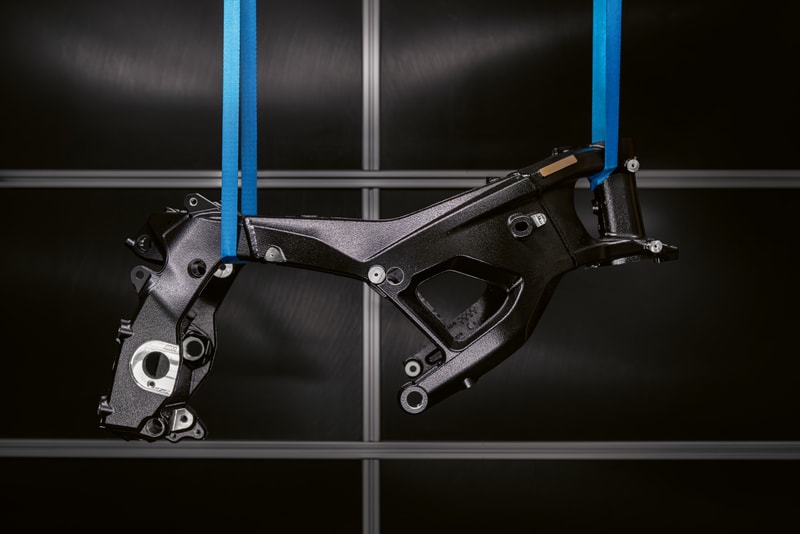
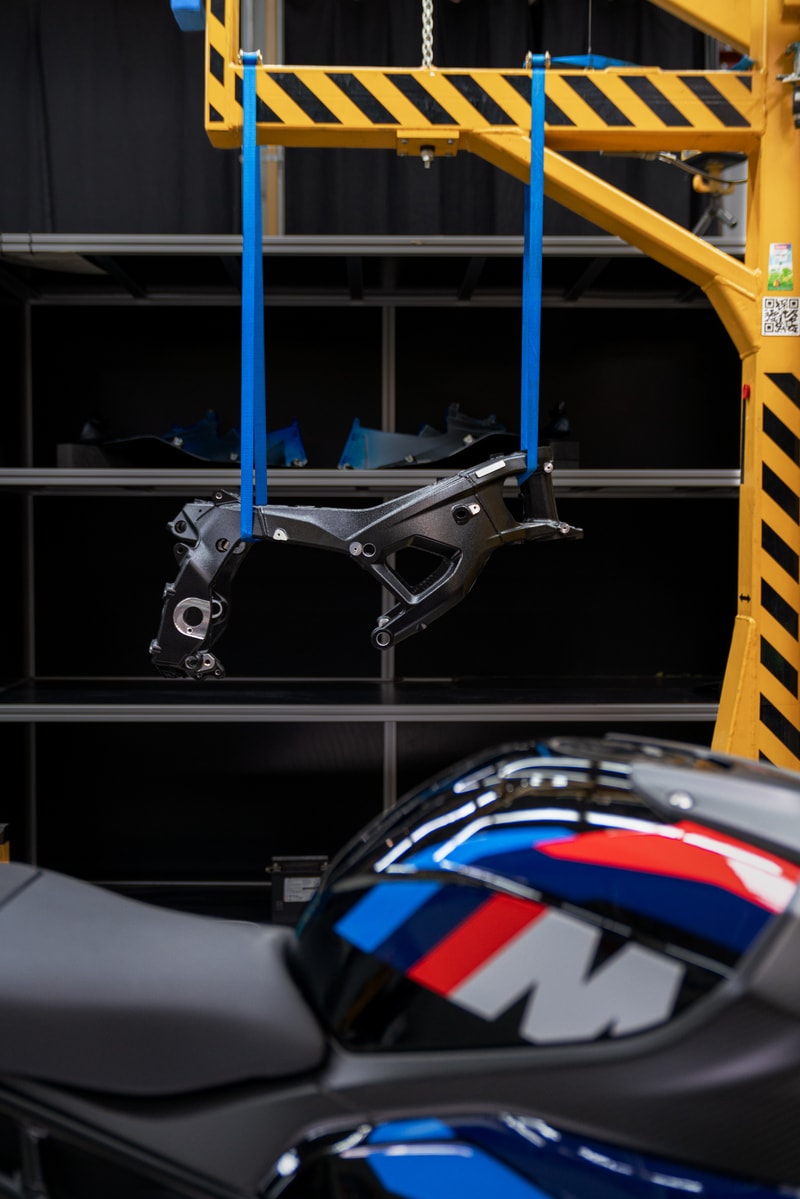
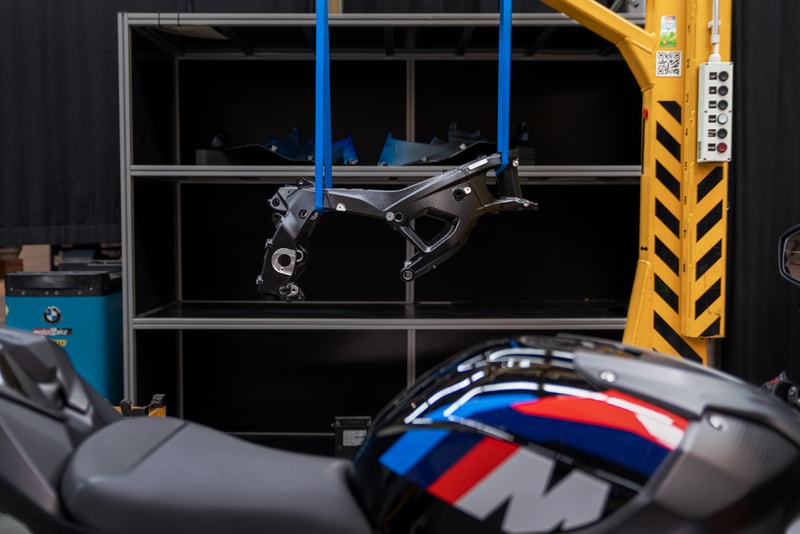
- Motorsport expertise with direct customer benefits: From model year 2027, the third generation of the M Motorsport frame brings insights from international racing to the BMW M 1000 RR as standard – for more precise handling, clearer feedback and improved tyre contact.
- Around 1.3 kg lighter than the previous version.
- Precisely tuned stiffness and flexibility through wall thicknesses reduced by up to
30 per cent. - End-to-end digital development chain from simulation and testing through to reproducible series production.
- Combined expertise across three locations: Development and testing in Munich, light-alloy casting in Landshut, and production and final quality inspection in Berlin.
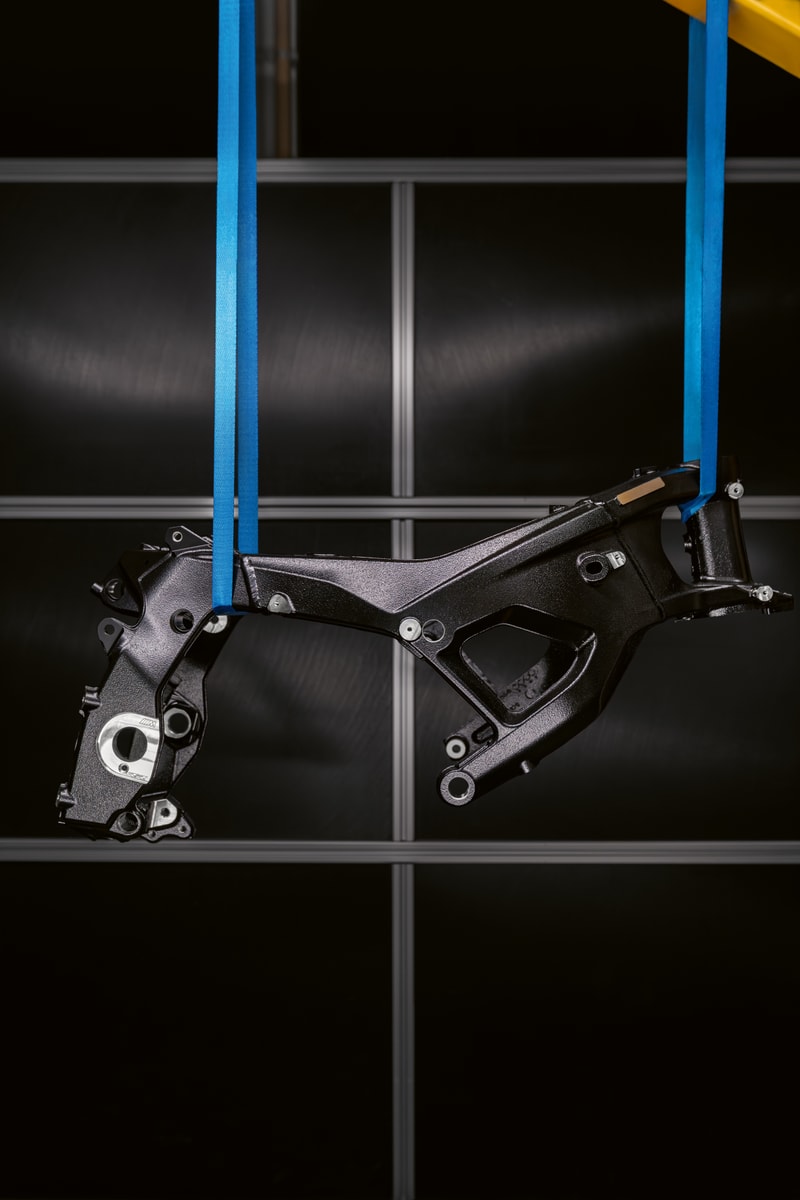
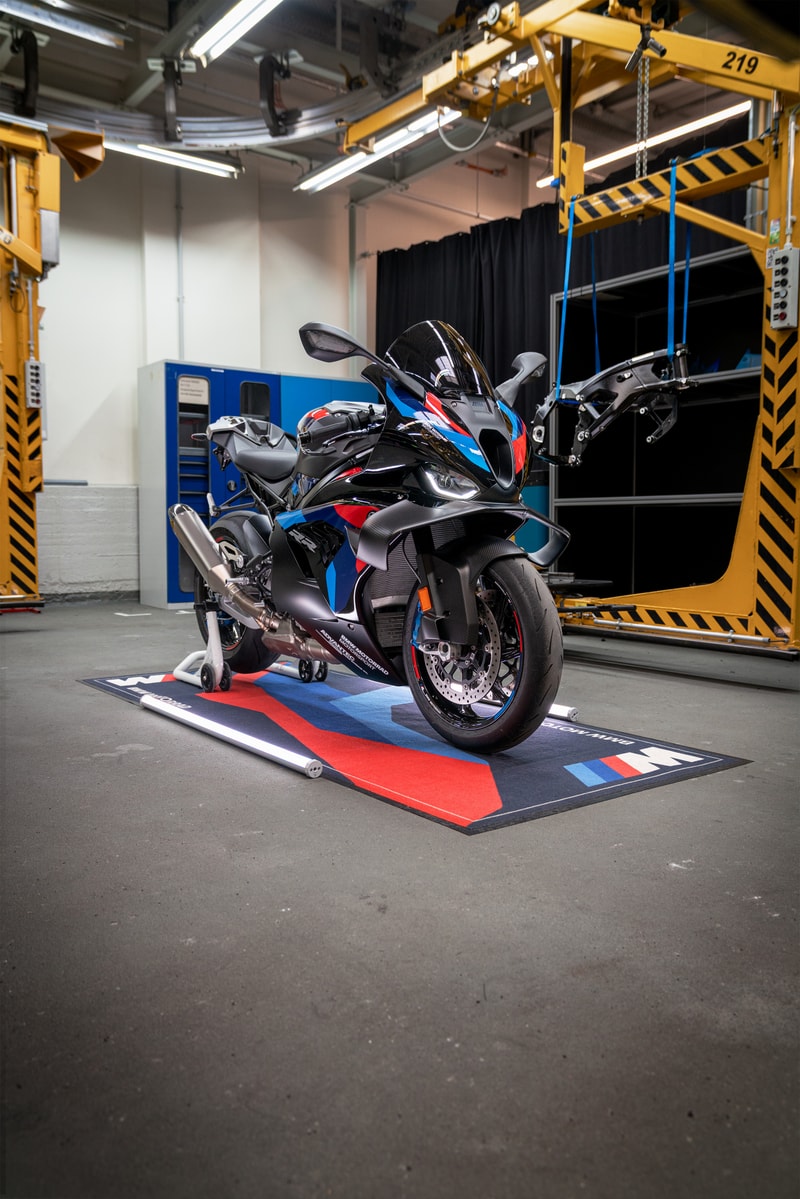
Munich. BMW Motorrad is introducing the third generation of the M Motorsport frame in the BMW M 1000 RR. It combines insights from racing with digital development methods and highly specialised manufacturing processes.
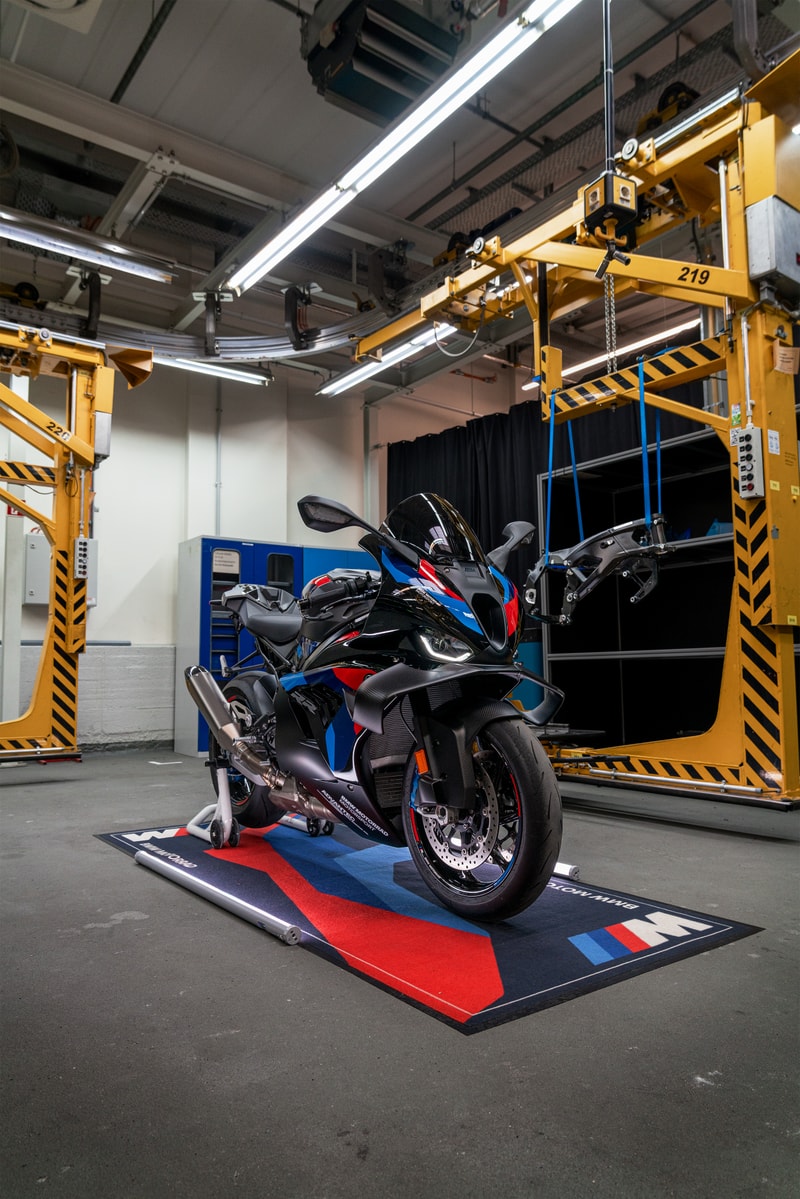
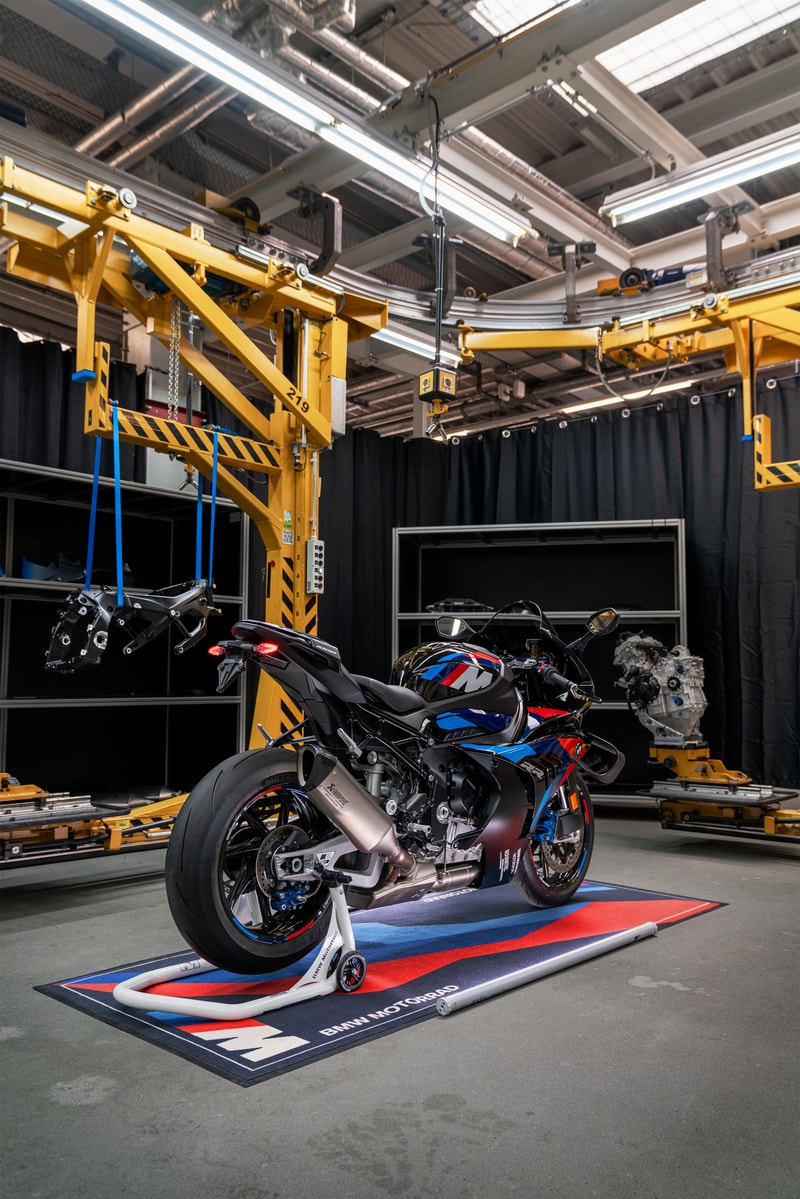
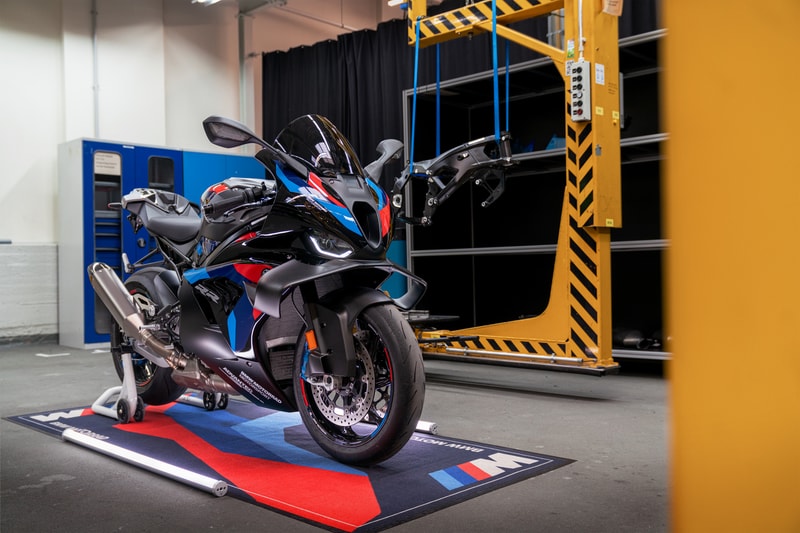
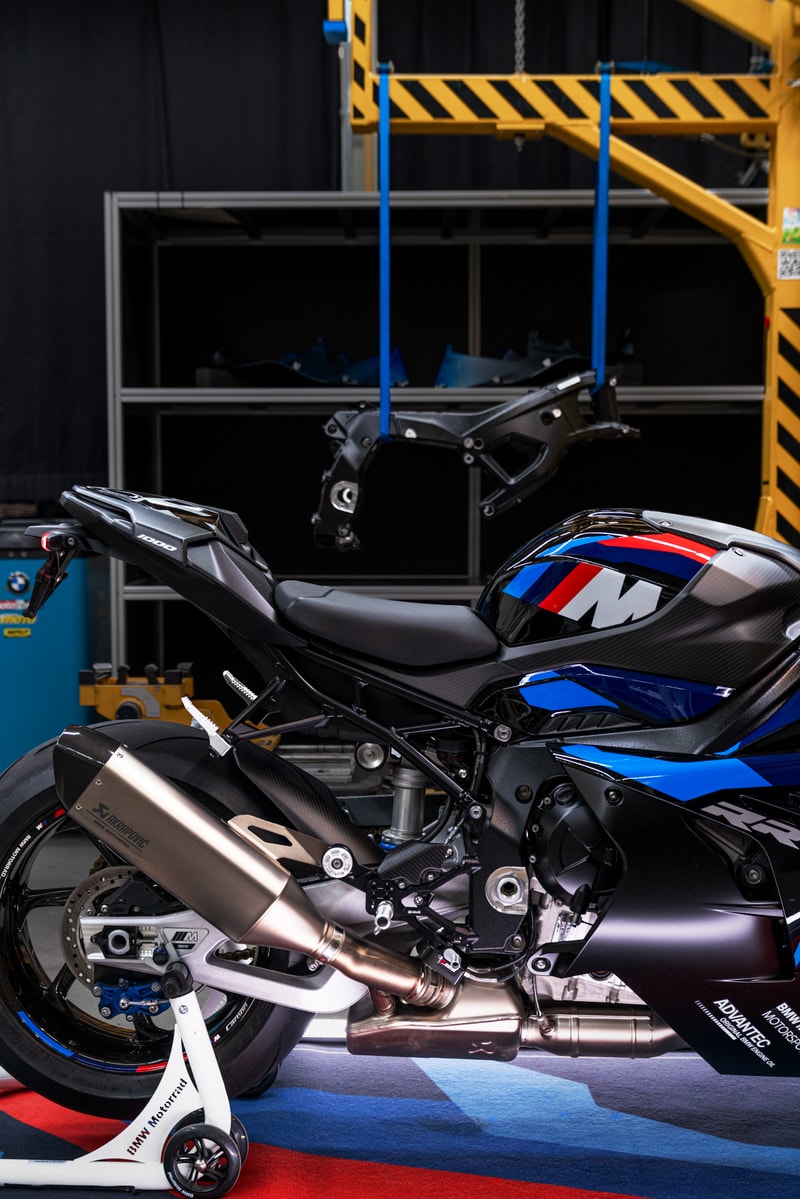
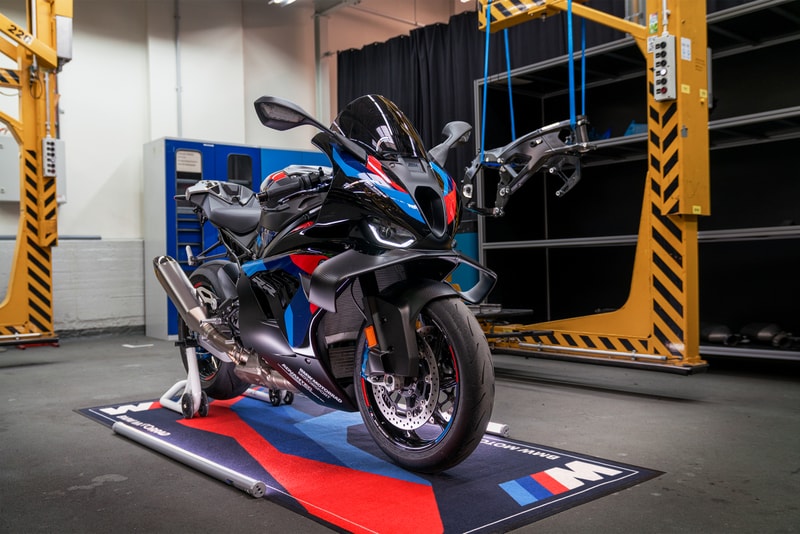
Customers benefit from technologies developed and tested under the extreme demands of racing: the new aluminium frame is lighter and offers a precisely tuned balance of stiffness and flexibility. This enables more precise handling, clearer feedback and more consistent tyre contact – particularly during sporty riding and on the racetrack. From model year 2027, the new M Motorsport frame will be fitted as standard in the BMW M 1000 RR.
The frame is a key performance component for the BMW Motorrad factory teams, customer racing worldwide and the series-production M 1000 RR. Findings gained in competition feed directly into the design of the series-production component: braking, steering and drive forces are transmitted with precision, while the frame provides targeted support for tyre contact at lean. For customers, this transfer of motorsport technology means greater precision when turning in, more transparent motorcycle responses and greater confidence in demanding riding situations. At the same time, the production-based technology provides a high-performance platform for the BMW M 1000 RR across different racing series and circuit conditions.
The new M Motorsport frame combines consistent lightweight construction with precisely tuned stiffness and flex characteristics. This provides the basis for precise chassis performance and maximum grip. From digital design and testing through to series production, the expertise of our Munich, Landshut and Berlin locations is seamlessly integrated. Our factory teams benefit from this just as much as BMW Motorrad customer racing teams worldwide.

Less weight. More precise feedback. Greater confidence.
Compared with the previous version, the third generation of the
M Motorsport frame is around 1.3 kg lighter. The lower weight enhances agility and facilitates rapid changes of direction. Wall thicknesses reduced by up to 30 per cent also enable targeted tuning of the stiffness and flex characteristics. At lean, the frame can flex laterally to a defined degree, supplementing the suspension in absorbing inputs from the road surface. Riders benefit from more consistent tyre contact, improved feedback and more even wear characteristics. Longitudinally, the chassis retains a high level of stiffness to ensure the precise transmission of braking and drive forces and predictable motorcycle response even under high loads.
Digital development. Series-ready production.
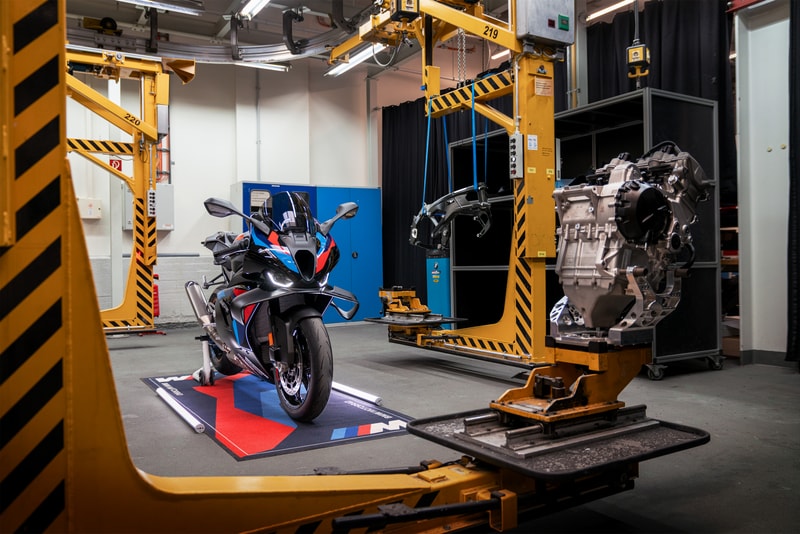
Combining lightweight construction, defined flex characteristics and reproducible component quality requires a closely integrated process chain. To achieve this, BMW Motorrad brings together chassis development, simulation and testing in Munich, light-alloy casting expertise in Landshut, and motorsport expertise at the Berlin motorcycle plant. The frame is welded, coated and machined in Berlin. This transforms digital development data into a series-ready high-performance component.
At BMW Motorrad Development in Munich, the geometry, wall thicknesses and stiffness distribution are designed digitally and then validated in simulations, on test rigs and in riding tests. The approved production data form the basis for manufacturing the four cast components – steering head, left and right side sections, and rear section – at BMW Group Plant Landshut.
Light-alloy casting from Landshut.
BMW Group Plant Landshut specialises in lightweight construction and component production within the production network. Four complex, thin-walled aluminium castings for the M Motorsport frame are produced there using the low-pressure casting process. The process enables controlled mould filling and consistent component quality for demanding geometries.
Thin-walled components. Digitally validated.
In low-pressure casting, molten aluminium is fed into the mould in a controlled manner. This reduces turbulence and air inclusions. Temporary quartz sand cores create the cavities specified by the design. Even before the tooling is manufactured, a core-shooting simulation digitally maps the flow behaviour, packing density and curing of the sand-air mixture. This allows the shooting nozzles and vents to be designed precisely and process reliability to be assured at an early stage.
In the cold-box process, the intricate sand cores are produced, cured and positioned precisely in the casting mould. After casting, the cores are removed, followed by machining and comprehensive quality inspection.
X-ray inspection, wall-thickness measurements and coordinate measurements ensure the internal quality and dimensional accuracy of the components before they are delivered to BMW Group Plant Berlin for further production.
Precision finishing in Berlin.
BMW Group Plant Berlin is the lead plant for BMW Motorrad’s international production network. There, the four cast components are positioned with precision and joined to form the frame using TIG welding. Subsequent cathodic dip coating provides uniform corrosion protection – including in enclosed cavities.
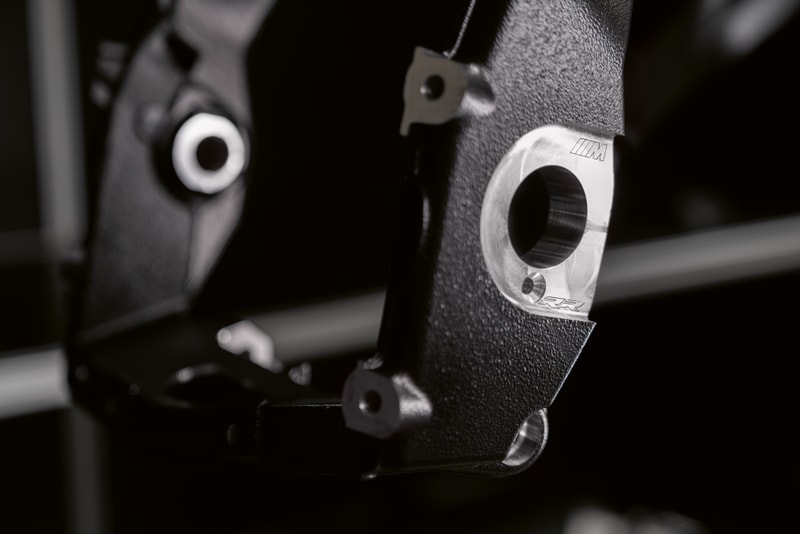
During final milling, functional surfaces and mounting points are machined to their final dimensions. A further coordinate measurement confirms the dimensional accuracy of the complete frame before it is approved for assembly in the BMW M 1000 RR.
With its four brands, BMW, MINI, Rolls-Royce and BMW Motorrad, the BMW Group is the world’s leading premium manufacturer of automobiles and motorcycles and also provides premium financial services. The BMW Group production network comprises over 30 production sites worldwide; the company has a global sales network in more than 140 countries.
In 2025, the BMW Group sold 2.46 million passenger vehicles and more than 202,500 motorcycles worldwide. The profit before tax in the financial year 2025 was € 10.2 billion on revenues amounting to € 133,5 billion. As of 31 December 2025, the BMW Group had a workforce of 154,540 employees.
The economic success of the BMW Group has always been based on long-term thinking and responsible action. Sustainability is a key element of the BMW Group’s corporate strategy and covers all products – from the supply chain through production to the end of their useful life.
www.bmwgroup.com
LinkedIn: http://www.linkedin.com/company/bmw-group/
YouTube: https://www.youtube.com/bmwgroup
Instagram: https://www.instagram.com/bmwgroup
Facebook: https://www.facebook.com/bmwgroup